



Aruna Babangida: The Teenager Who Could Have Been the World’s Best
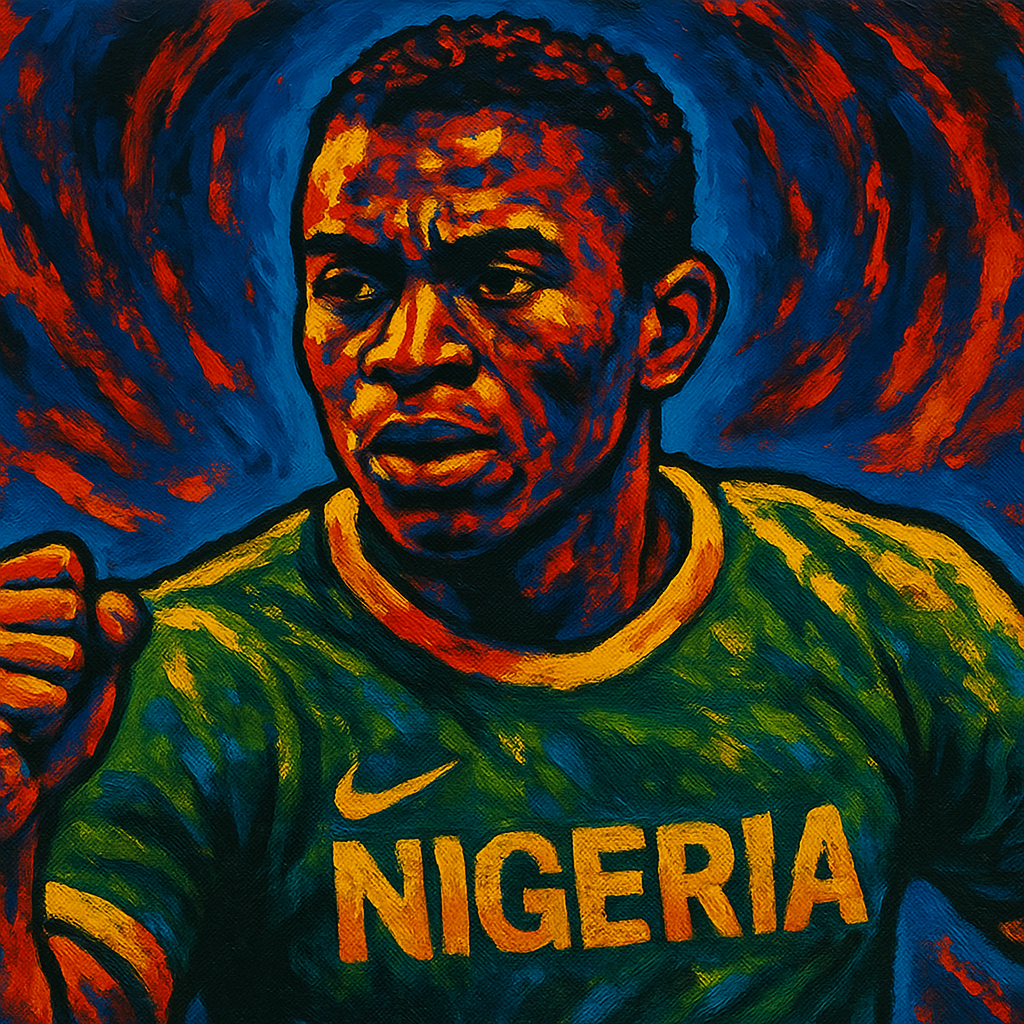
Back in 2019, Mikel Arteta—now the manager of Arsenal—recalled his teenage years and his time in Barcelona’s famed La Masia academy. Amid legends like Pepe Reina, Victor Valdés, Andrés Iniesta, and Carles Puyol sharing the dorms, Arteta says there was one player who truly stood out to him: Aruna Babangida.
“At just 15, Babangida felt like the best player in the world,” Arteta remembered. “Words can't even describe the sheer talent he had. He’d already played in Greece, Cyprus, and Russia—destinations unconventional for someone headed to superstardom.”
Today, Babangida is 38 and retired — but he remains a vivid memory, especially for teammates like Arteta. “We shared a bunk bed—I slept on the top bunk. He always had that quiet confidence,” Arteta once said with a smile. “He understood the game instinctively, delivered crisp passes, and offered wise advice—he was a natural-born leader.”
Arteta’s words echo deeper when Babangida explains why someone would say he was destined to rule world football:
“I genuinely believe that if you asked my academy teammates the same question—‘Who was the best?’—they’d say the same thing Arteta did. I’m confident they’d have told you that to your face. Many wondered why I wasn’t getting the breaks others did. My teammates would tell me, ‘You should be in the first team—your left foot is better than many here,’ yet I’m right-footed,” Babangida recalled.
A Talent That Never Reached Its Peak
Aruna is one of those players whose talent sparkled but never quite exploded. Acknowledging it himself, he reflects on a career that launched from great potential—and quietly faded. He joined La Masia in 1997 from Ajax’s academy, training alongside his brother Tijani. Before Aleks Grimaldo arrived in 2011, Babangida held the record as the youngest player to feature in Barcelona B. “If you watched just a few of my YouTube videos, you'd get a sense of who I was,” he shared. Babangida was creative, quick off the mark, and blessed with excellent vision and passing ability. Despite scoring 42 goals in 110 games for Barça B, he never made the leap to the first team. In 2004, he left Barcelona and moved to Metallurg Donetsk. So what went wrong? Babangida recalls that Louis van Gaal, his coach, was both brilliant and harsh. Van Gaal once reviewed team members’ phone calls, downright questioning players about who was calling them. “Back then I was young and had to adapt,” Aruna admitted. Van Gaal may have sharpened him technically, but his stewardship also frustrated a young talent longing to emerge.
Flashing Moments, Quiet Fade
In 1998, during preseason training, a 15-year-old Babangida earned praise from teammates, but opportunity remained elusive.
“I knew life in Europe was tough,” he said. As perhaps the only Black player in the academy, language barriers and homesickness were real. Even Iniesta’s parents had to move to Spain to help their son adjust.
Still, Babangida’s talent was undeniable. In training, he warmed up alongside Camp Nou legends like Rivaldo and Figo—who even greeted him by name before training.
“Facing defenders like Sergi or Miguel Angel was tough,” he said, “They’d rough you up if you didn’t use the ball smartly.”
His breakthrough moment came when he was subbed in around the 80th minute of a preseason match. He came on cold, scored the winning goal, and Barcelona offered him a contract soon after.
He admits he believed in himself: scoring in virtually every Barcelona B match and making an impact in his debut, yet he never got his chance at the top level. “I know things would’ve been different under another coach—like Guardiola or Luis Enrique—who understood talented youth. It’s not about names—it’s about belief.”
A Journeyman’s Path
Babangida’s career afterward took him across clubs and countries—he played a record 54 matches for Cyprus’s Apollon Limassol, a sign of how unstable his career had become. A brief stint in Mainz yielded just one first-team appearance amid confusing communication from coaching staff. Offers from France were left uncompleted, and detours led him to clubs like Olympiakos—where Rivaldo again whispered encouragement, helping him score and earn a contract.
Despite that spark of hope, the momentum never built. Babangida admits he often felt the failure lay not in his style, but in the timing and trust never placed in him. “I always believed I’d make the first team. I shone in B-team matches. Every season, I was the top performer—but I never got my chance. I wanted answers from coaches because nobody ever explained,” he said.
Reflecting Without Regret
Looking back, Babangida doesn’t live with bitterness—just reflection. “The game slipped away from me,” he says, “But I did everything I could.” His story ended quietly, but it’s powerful: a reminder that talent alone sometimes isn’t enough without guidance, trust, and opportunity.
In Aruna Babangida’s journey, we see a dream left just short—one that deserves to be remembered not for its unfulfilled promise, but for the brilliance that was there all along.