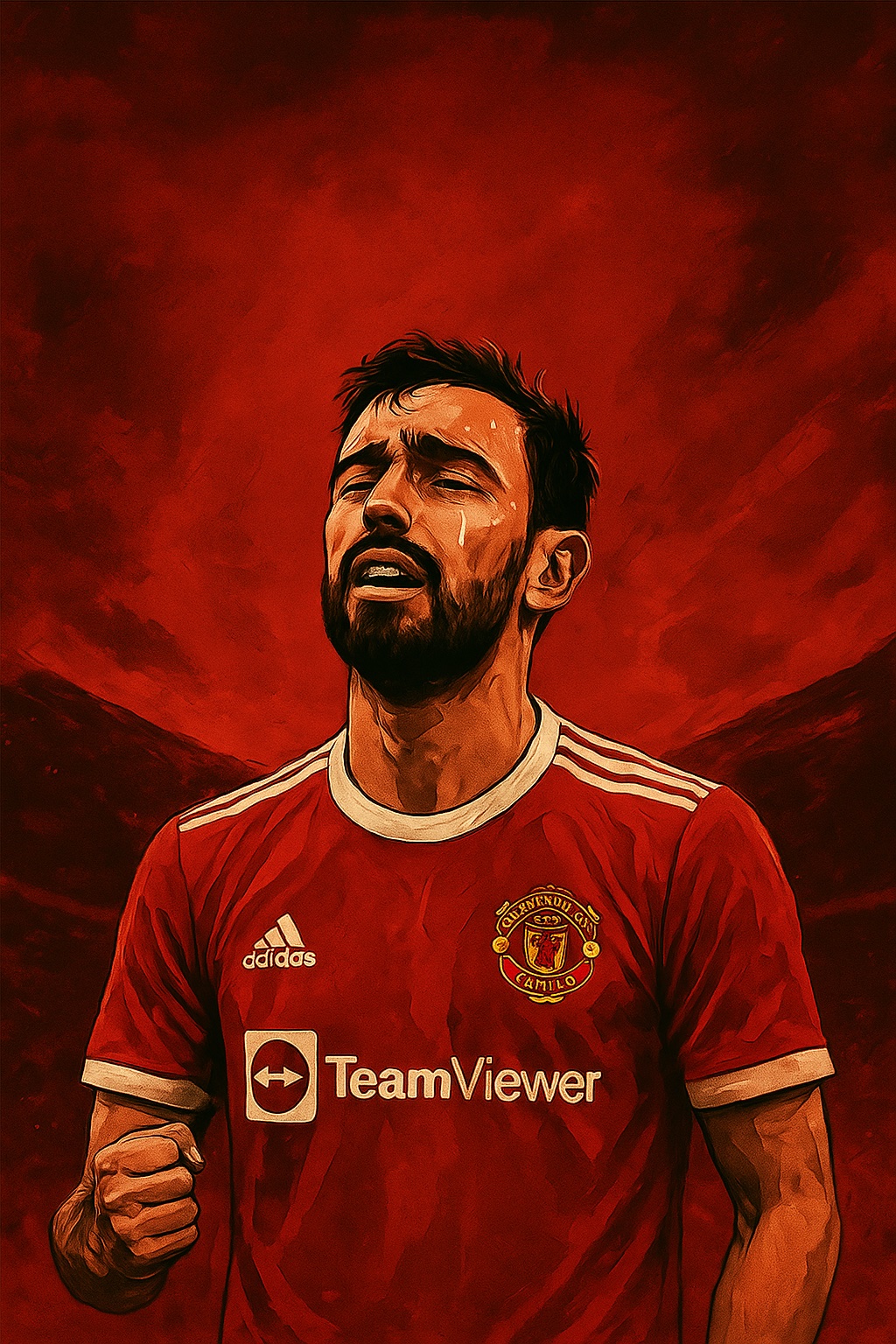




The Night That Broke Him — and Built Him
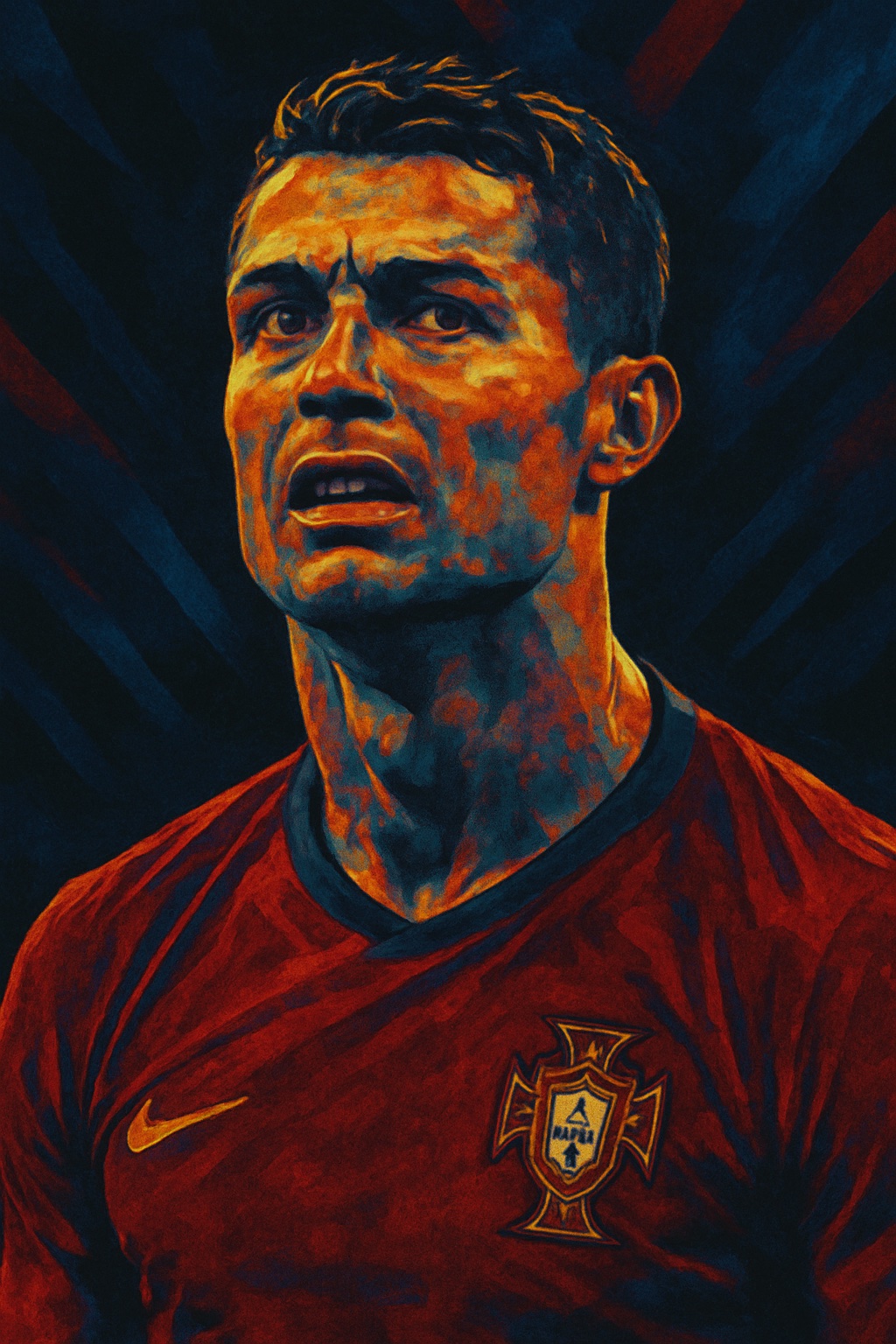
Football remembers nights of glory, but it also remembers nights of heartbreak — and sometimes, the heartbreaks shape legends more than the victories ever could. For Cristiano Ronaldo, that night was July 4, 2004.
Portugal was a nation on fire. Hosting the European Championship for the first time, the streets were painted red and green, flags draped from balconies, and chants roared through every corner of Lisbon. This was supposed to be destiny. The “Golden Generation” — Luís Figo, Deco, Rui Costa — had carried the dream for years. And then came a 19-year-old from Madeira, Cristiano Ronaldo, dazzling, fearless, already tipped as the heir to greatness. To the Portuguese, he wasn’t just a player. He was hope itself.
The tournament had been a rollercoaster. A shocking opening defeat to Greece, a fierce recovery against Spain, the penalty shootout drama against England, and a commanding semifinal win over the Netherlands. With every hurdle cleared, the belief grew stronger: fate was on Portugal’s side. The final, against the same Greece who embarrassed them in the group stage, was meant to be the crowning moment.
But football loves its cruel ironies.
From the first whistle in the Estádio da Luz, Greece played like a fortress. Eleven men in white, suffocating every pass, smothering every shot. Portugal attacked in waves — Deco searching for space, Figo whipping in crosses, Ronaldo bursting down the wing — but it was like striking stone with bare hands. Every Portuguese chance was swallowed whole.
Then came the dagger. In the 57th minute, Greece won a corner. Angelos Charisteas rose into the Lisbon sky, his header thundering past Ricardo into the net. Silence. A silence that felt like betrayal. Destiny, it seemed, had switched sides.
The clock became the enemy. Portugal threw everything forward. Ronaldo ran until his legs burned, flung himself at impossible angles, screamed at teammates, at the heavens, at fate itself. But the ball never crossed that line. Greece would not break.
And when the final whistle pierced the night, it wasn’t just defeat. It was devastation.
The cameras found Ronaldo, and the world watched as the fearless teenager broke down. Tears streamed down his face, his chest heaving, the Portuguese flag clutched to his heart. The stadium lights illuminated his pain, and in that moment he was no longer the rising star of Manchester United — he was a boy, crushed under the weight of a nation’s shattered dream. That image — Cristiano Ronaldo weeping on the Lisbon grass — became the haunting symbol of Euro 2004.
Yet tragedy has a way of planting seeds. That night carved something permanent into Cristiano’s soul. It hardened him. It gave him hunger that would never fade, a fire that would drive him to chase perfection year after year. The boy who cried in 2004 became the man who lifted Portugal to glory in 2016, exorcising the ghosts of Lisbon.
History is strange. Sometimes, it’s not victory that forges greatness — but heartbreak. And for Cristiano Ronaldo, that night of tears against Greece was the wound that turned into a scar. A scar that would remind him, every single time he stepped on a pitch, why he could never settle for anything less than triumph.