



Israel Adesanya: The Last Stylebender’s Rise, Fall, and Unfinished Legacy
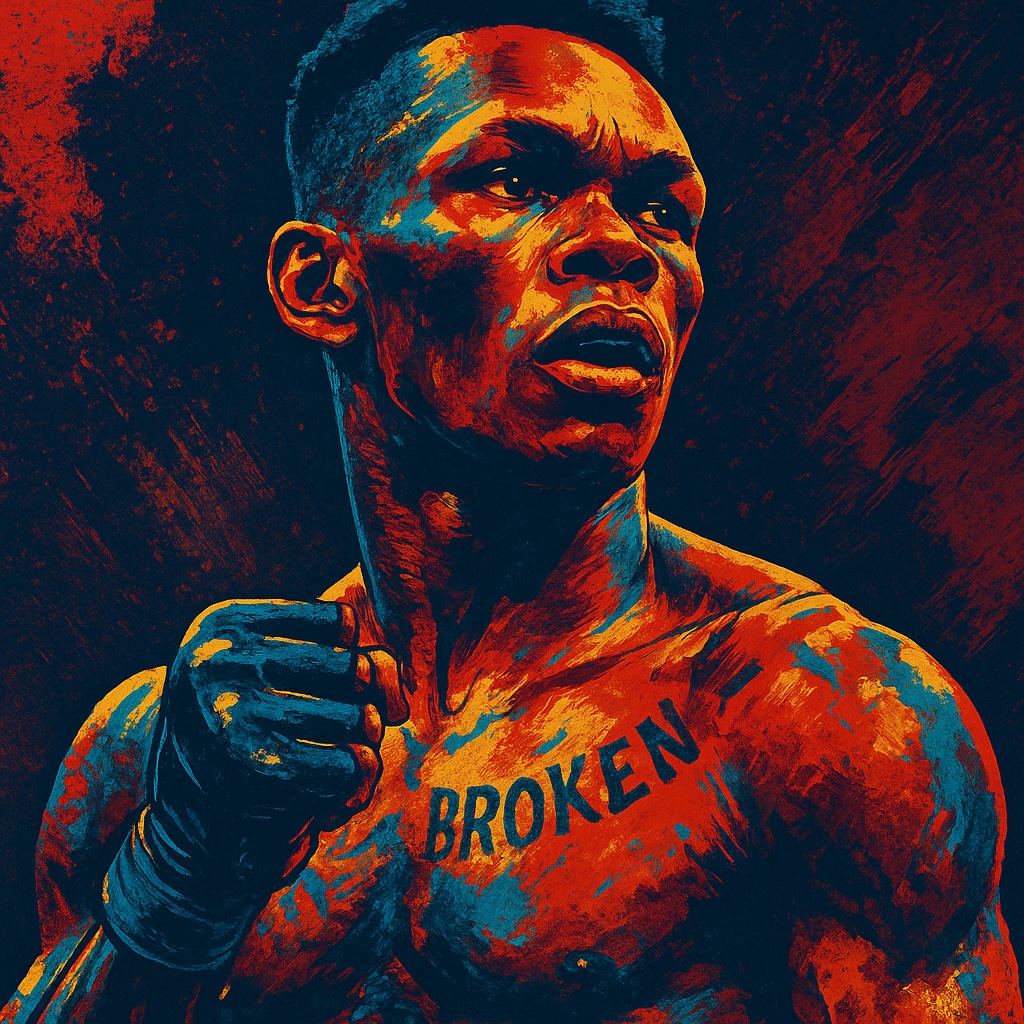
In the brutal, unforgiving world of mixed martial arts, where dreams are crushed as quickly as they are made, very few fighters manage to transcend the sport. Israel Adesanya is one of those rare figures. To millions, he is The Last Stylebender, a fighter who turns combat into an art form, whose presence inside the Octagon feels less like violence and more like choreography. But beneath the fame, the knockouts, and the anime-inspired walkouts lies a story far deeper—a story of resilience, identity, heartbreak, and relentless reinvention.
Born in Lagos, Nigeria, in 1989, Adesanya grew up as the eldest of five children in a modest household. His father worked as an accountant, his mother as a nurse. Life wasn’t easy, but it was full of love and discipline. As a teenager, Israel and his family relocated to Rotorua, New Zealand, seeking better opportunities. There, however, came one of the earliest tests of his character. In a foreign land, he stood out—the quiet, lanky kid who didn’t quite fit in. He was bullied relentlessly, mocked for his Nigerian roots, and struggled to find belonging. But rather than break him, those years planted a quiet fire within him—the kind of flame that would later set arenas alight.
Israel’s first love wasn’t fighting; it was art. Anime and dance were his escape, his way of expressing himself when words fell short. He devoured shows like Naruto and Avatar: The Last Airbender, inspired by characters who battled adversity with flair, creativity, and heart. It was during this time that his nickname was born—the Last Stylebender, a tribute to the anime heroes he admired and a promise to himself: he would bend the very styles of combat into something uniquely his own.
At 18, a chance encounter with the martial arts film Ong-Bak changed everything. Entranced by the grace and ferocity of Muay Thai, Adesanya stepped into a kickboxing gym for the first time. Within years, he transformed from a shy outsider into one of the most decorated kickboxers in the world, compiling an incredible record of 75 wins in 80 fights. But for Israel, kickboxing was just the beginning. His ambitions were bigger, his canvas larger—the Octagon was calling.
Joining forces with Eugene Bareman at City Kickboxing in Auckland, alongside future UFC stars like Alexander Volkanovski, Adesanya crafted a fighting style that was fluid, unpredictable, and dazzling. It was never just about winning; it was about putting on a show, creating moments people would never forget. By the time he debuted in the UFC in 2018, his striking was so sharp, his footwork so poetic, that fans and commentators alike knew they were witnessing something special.
The pinnacle came in October 2019, when Adesanya knocked out Robert Whittaker before a record-breaking crowd of 57,000 at UFC 243, becoming the undisputed Middleweight Champion. He danced that night—not just literally in his iconic walkout but inside the cage, slipping punches like shadows and landing blows with the precision of a painter’s brush. It wasn’t just a fight; it was a performance, a statement. Israel Adesanya had arrived.
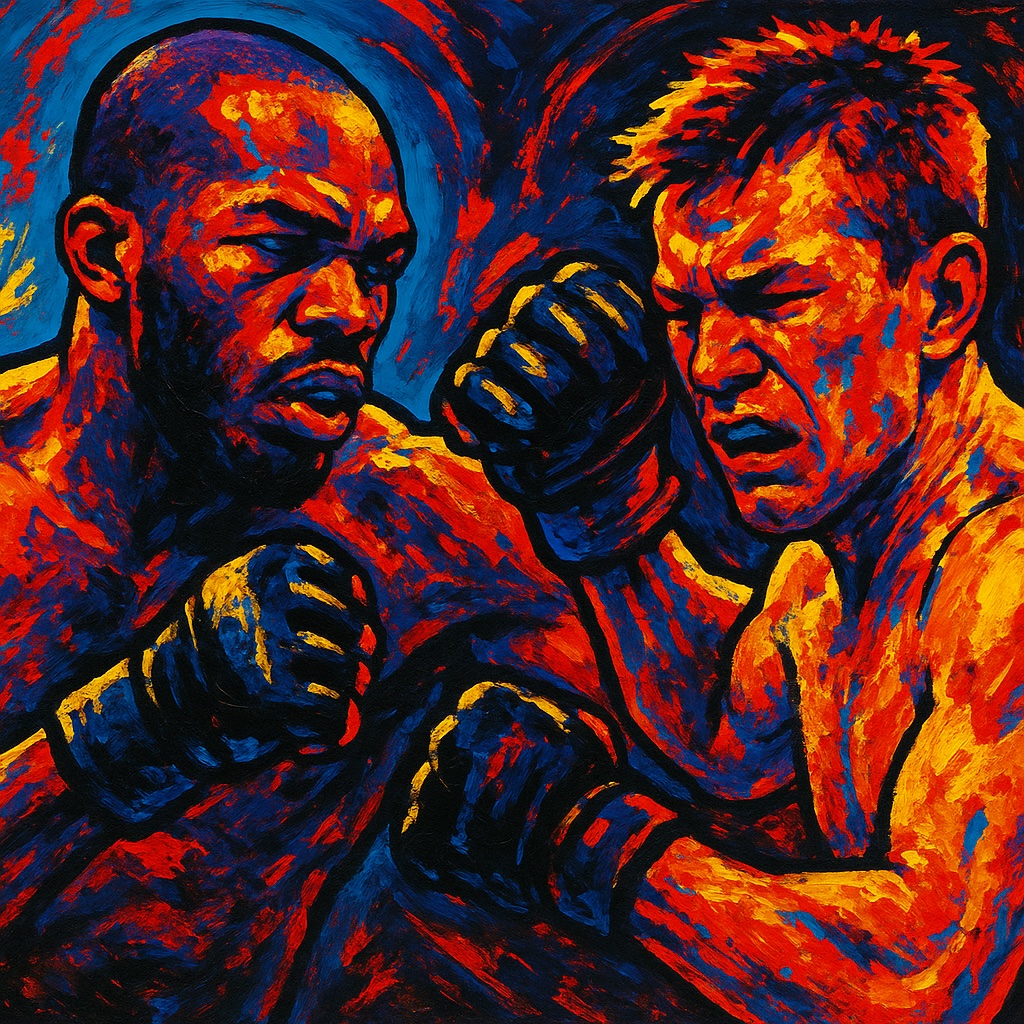
But greatness never comes without hardship. With the belt came expectations, rivalries, and the relentless grind of defending a crown. His rivalry with Alex Pereira, the only man to knock him out in kickboxing, became the stuff of legend. When Pereira stepped into the UFC, their history added a volcanic tension. Pereira defeated him once again, stealing his title and forcing Adesanya to confront the deepest demons of his career. Yet in April 2023, in one of the most emotional comebacks in MMA history, Adesanya delivered a stunning knockout at UFC 287, reclaiming his belt and his pride.
And yet, life’s battles didn’t end there. Losses to Sean Strickland, Dricus Du Plessis, and Nassourdine Imavov have tested Adesanya in ways few champions ever endure. The critics whispered: Was this the beginning of the end? But anyone who knows Israel knows that his story is not written in single chapters. He thrives in reinvention, in finding strength where others see defeat. Recently, he has been training alongside Navy SEAL legend David Goggins, pushing his body and mind to their limits, preparing for what he calls “the ultimate redemption arc.”
What makes Adesanya so compelling isn’t just his highlight-reel knockouts or his championship pedigree—it’s his humanity. He cries openly when he loses. He dances when he wins. He quotes anime, tells stories through tattoos, and turns press conferences into poetry. He’s a fighter, yes, but also an artist, an entertainer, and a deeply complex man navigating the unforgiving spotlight of fame.
At 36, as he stands at the crossroads of legacy, Israel Adesanya’s journey is far from over. Whether he ascends once more to the top or walks a different path, he has already changed MMA forever. He brought artistry to combat, personality to dominance, and vulnerability to a sport often defined by toughness alone.
The Last Stylebender is more than a nickname—it’s a philosophy. Adesanya bends expectations, defies limits, and fights not just to win but to create. And as the world watches his next move, one thing remains certain: his story is still being written, one strike, one dance, and one comeback at a time.